Source Quick Dry Woven Tea Towel for Kitchen, Hotel, and Home
Explore 30 options for the quick dry woven tea towel, featuring polyester and microfiber materials with custom printing. Compare specifications like size, color, and packing to find suitable supplies for kitchen, hotel, and home use; compare the available evidence and request quotations based on your requirements.
Key considerations
Products List



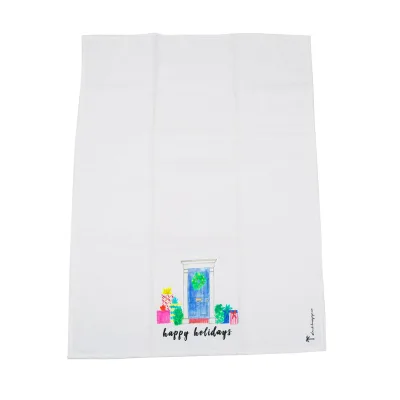


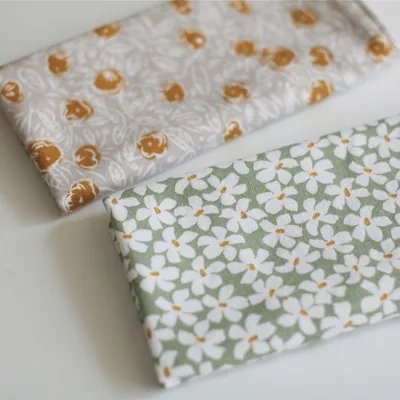


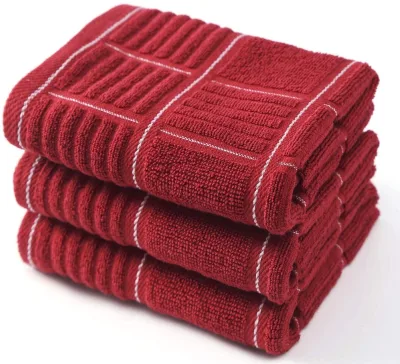


Comprehensive Sourcing Guide
Quick Dry Woven Tea Towel Sourcing Guide
Buyers must first distinguish between woven cotton and synthetic microfiber options, as the supplied data indicates distinct material profiles for quick-dry performance. While some listings specify 100% cotton with eco-friendly claims, others highlight microfiber compositions designed for ultra-softness and rapid moisture evaporation. This material divergence dictates the appropriate cleaning method, with some products requiring hand washing or dry cleaning while others support machine washing and reuse.
Procurement decisions should also account for the specific usage environment, ranging from general home kitchens to commercial restaurant settings. The observed product attributes suggest that quick-dry woven towels are often marketed for their mold-resistant properties and light weight, making them suitable for high-turnover hospitality environments. Buyers should verify if the specific listing supports the intended application, such as sports or hotel use, before committing to a bulk order.
Product Scope and Observed Listing Signals
The market for quick-dry woven tea towels presents a wide range of customization options, including patterned designs like plaid or plain dyed finishes. Suppliers frequently offer silk printing and digital printing services to apply custom logos or designs, which is critical for branding in the hospitality sector. The observed product models indicate that shapes vary between square and rectangle forms, with dimensions often customizable to meet specific operational needs.
Buyers should note that packaging and quantity requirements vary significantly across different supplier listings. Some vendors offer customized packing solutions, while others utilize standard OPP bags and master cartons for shipping efficiency. The minimum order quantities observed range from single-piece trials to 500-piece thresholds, allowing flexibility for small businesses to test product quality before scaling up their inventory.
Technical Specifications to Verify
Verification of the drying speed and water absorption capacity is paramount when selecting a quick-dry woven tea towel. The supplied facts highlight features such as "super strong water absorption" and "quick-dry" capabilities, which are often linked to the microfiber material composition. Buyers must confirm that the specific product model, such as those listed with 60x40cm or 45x60cm dimensions, actually delivers the claimed performance in real-world kitchen conditions.
Dimensional consistency and shape accuracy are also critical technical parameters that require strict verification. While some listings specify standard sizes like 60x40cm, others emphasize customized sizing capabilities to fit unique equipment or storage spaces. Procurement teams should request physical samples to validate that the woven structure maintains its integrity after repeated washing cycles, ensuring the product remains durable and retains its quick-dry characteristics over time.
Compliance and Safety Documentation
Ensuring that the tea towels meet food-contact safety standards is essential for any supplier operating in the kitchen or restaurant sector. Although specific certification names are not provided in the source data, buyers must demand evidence that the materials, particularly those labeled as eco-friendly or sustainable, comply with relevant regional safety regulations. This verification is crucial to prevent contamination risks and to ensure the product is safe for direct contact with food preparation surfaces.
Documentation regarding the manufacturing process and material composition should also be reviewed to confirm the absence of harmful chemicals. The observed attributes mention "eco-friendly" and "sustainable" advantages, which imply a focus on environmentally responsible production methods. Buyers should request detailed material safety data sheets or compliance certificates to validate these claims, ensuring that the quick-dry woven towels do not introduce toxins into the kitchen environment.
Cost Drivers and Commercial Terms
Pricing for quick-dry woven tea towels is heavily influenced by the complexity of customization and the chosen material composition. Listings indicate a broad price range, suggesting that factors such as digital printing, custom packaging, and specific material blends like microfiber versus cotton significantly impact the final unit cost. Buyers should analyze how these variables affect the total landed cost, especially when balancing the need for branding against budget constraints.
Commercial terms regarding minimum order quantities and lead times are equally critical for supply chain planning. The observed data shows MOQs ranging from 1 piece for trials to 500 pieces for standard orders, with some suppliers accepting small orders to facilitate market entry. Procurement teams must negotiate clear terms for production lead times and shipping, ensuring that the supplier can meet demand fluctuations without compromising the quality or delivery schedule of the quick-dry woven inventory.
Supplier Qualification and Quality Control
Assessing a supplier's capability for OEM and ODM services is a key step in securing a reliable source for custom quick-dry woven tea towels. The available data confirms that many manufacturers offer design and production customization, but buyers must verify their actual capacity to handle complex printing and weaving requirements. It is advisable to audit the supplier's production facilities to ensure they possess the necessary machinery for consistent quality control and efficient manufacturing.
Quality control protocols should be established to monitor the consistency of the quick-dry features and the durability of the woven structure. Buyers should implement a rigorous inspection process that includes testing for water absorption rates, mold resistance, and color fastness after washing. Establishing a clear communication channel for defect reporting and resolution is essential to maintain high standards and ensure that the final product meets the specific performance expectations of the buyer.
Long-Term Procurement Checks
Building a sustainable supply chain requires regular re-evaluation of supplier performance and product consistency over time. Buyers should track key metrics such as defect rates, delivery punctuality, and the stability of the quick-dry performance across different production batches. This ongoing monitoring helps identify potential issues early, allowing for corrective actions before they impact the broader supply chain or customer satisfaction.
Strategic planning for future procurement should also consider the evolving market trends in eco-friendly and sustainable kitchen textiles. As the demand for green products grows, suppliers may need to adapt their material sourcing and manufacturing processes to meet new environmental standards. Buyers should maintain open dialogue with their suppliers to anticipate these changes and ensure that the quick-dry woven tea towels remain competitive and compliant with future regulatory requirements.
FAQs
What materials are used for quick dry woven tea towels?
Quick dry woven tea towels are typically made from polyester or microfiber materials. These fabrics offer superior water absorption and quick-drying properties compared to traditional cotton. The microfiber variant is noted for being ultra-soft and lightweight, making it ideal for kitchen and household use while maintaining durability and eco-friendly characteristics.
Can I customize the size and packing of these towels?
Yes, customization is available for both size and packing. Standard sizes include 60x40cm, 40x60cm, and 50x70cm, with options for customized dimensions. Packaging can be tailored to your needs, such as OPP bags with cartons or master cartons, ensuring safe transport and professional presentation for your brand or retail requirements.
What is the typical MOQ for ordering quick dry tea towels?
The minimum order quantity varies by supplier and product type. Some manufacturers accept trial orders with an MOQ of 100 pieces, while others require 500 pieces or more. Small orders are often acceptable, allowing buyers to test quality before committing to larger volumes, which supports flexible procurement strategies for new market entries.
How are these tea towels cleaned and maintained?
These towels support multiple cleaning methods including hand wash, water wash, and dry clean. They are designed to be reusable and feature quick-dry characteristics that simplify maintenance. The materials are mold-resistant and eco-friendly, ensuring longevity and hygiene. Proper care extends the product life while maintaining its super strong water absorption function for daily kitchen tasks.
What printing options are available for branding these towels?
Branding options include silk printing and digital printing techniques. Suppliers can print custom designs or logos directly onto the tea towels. This service supports ODM and OEM requirements, allowing businesses to create unique, branded products. The customization capability ensures that your specific design requirements are met with high-quality print results on various fabric types.
Where are these quick dry tea towels manufactured?
These products are manufactured in China, leveraging established textile production capabilities. The origin ensures access to a wide range of materials like polyester and microfiber. Chinese manufacturers offer competitive pricing and flexible customization services, making them a reliable source for bulk procurement of eco-friendly, quick-dry kitchen towels with various styles and patterns available for global distribution.